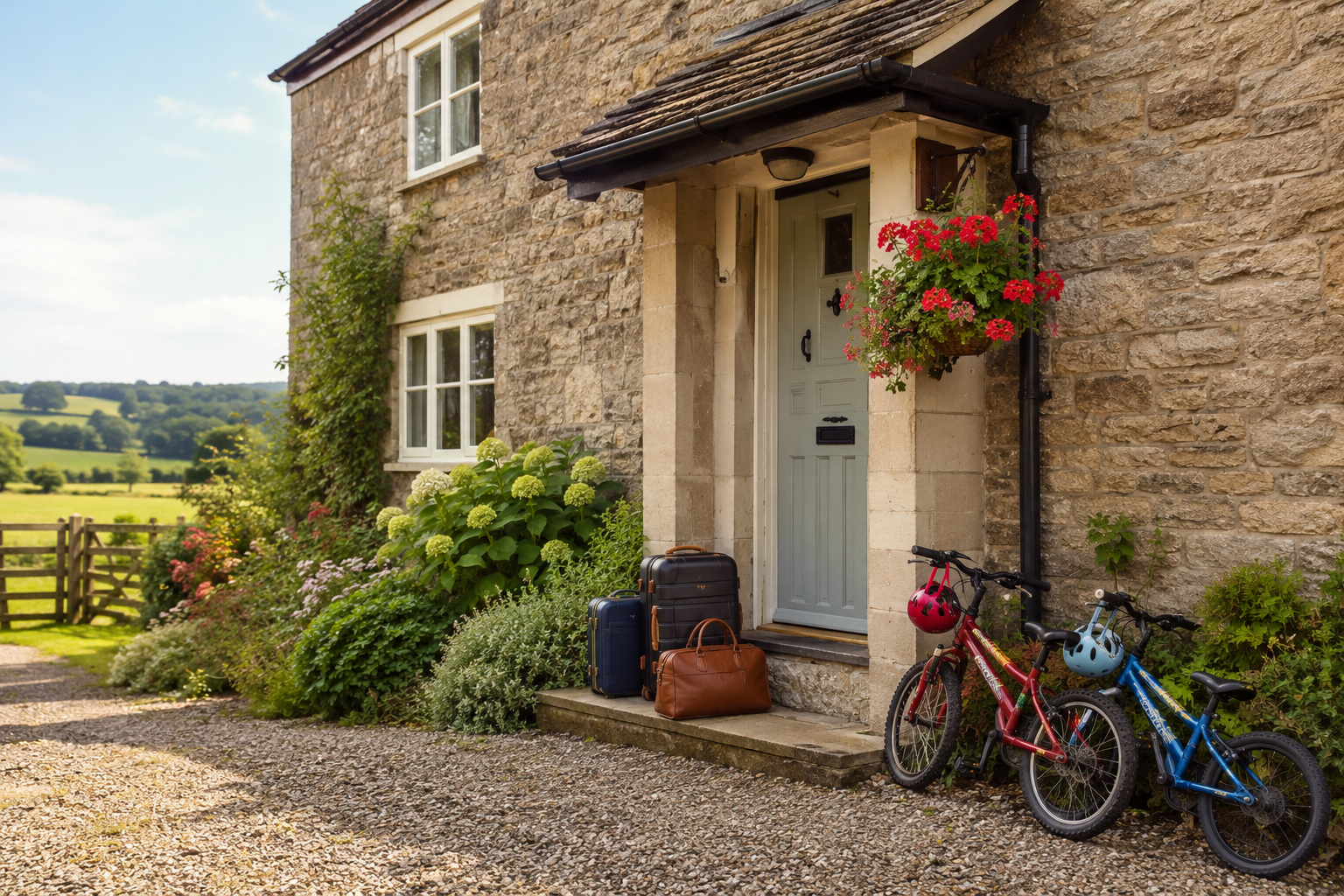
A school holiday in a Peak District cottage looks straightforward on a Tuesday in January, when you are looking at photographs and counting bedrooms. By the time you arrive in October half-term with two children, a folding cot and the dog, you will have rediscovered all the small assumptions you made in those early evening planning sessions.
Most of those assumptions concern who sleeps where, what time everyone gets up, and how the household will negotiate the morning kitchen. None of these things appear in cottage listings. All of them determine whether the week works.
Bedrooms, Honestly Counted
The first honest question is: how many bedrooms do you actually need? Two children in a twin can sound efficient until the older one decides at age nine that they need their own room. A baby in a cot in the master bedroom can sound efficient until you realise the baby wakes at six and the adults would like to read until seven.
Our standard advice is to book one more room than you think you need, and to take it from the “sleeps six” bracket rather than the “sleeps four with sofa bed” one. A sofa bed in a sitting room means the sitting room is unavailable from nine until eight in the morning. Over a week, that is a meaningful loss.
Kitchen Geometry
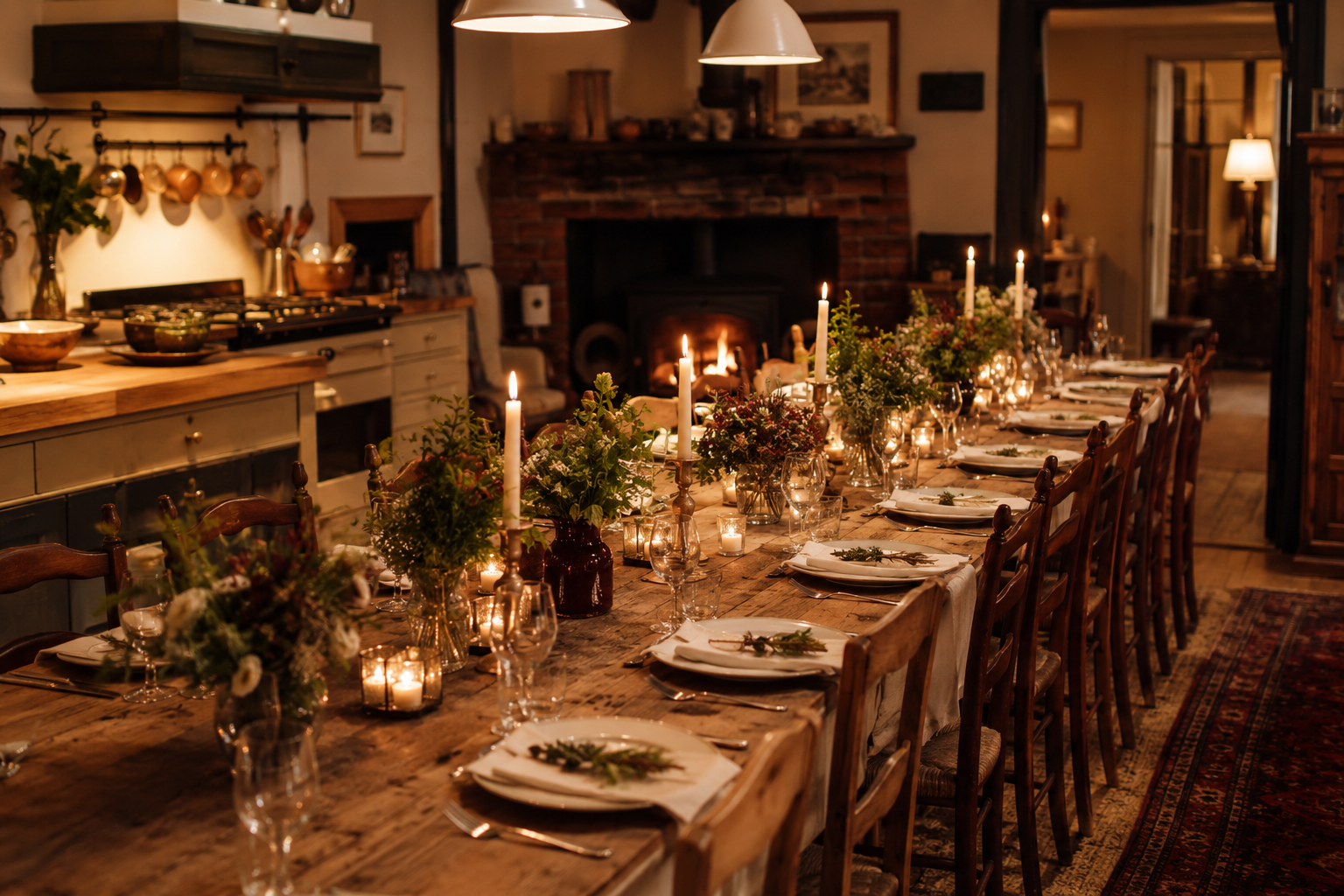
The second question is about the kitchen. A family of five eating breakfast at home for seven mornings needs a kitchen that can take five plates, five mugs, five sets of cutlery, and a person frying eggs, all at the same time. Many otherwise lovely Peak District cottages have very small galley kitchens that simply cannot do this without somebody ending up in the corridor.
If the cottage has a kitchen-diner, you have already won. If it has a dining table in a separate room, count how many chairs are around it in the photographs. Two chairs short is not a coincidence; it is an admission. Book accordingly.
The Outdoor Question
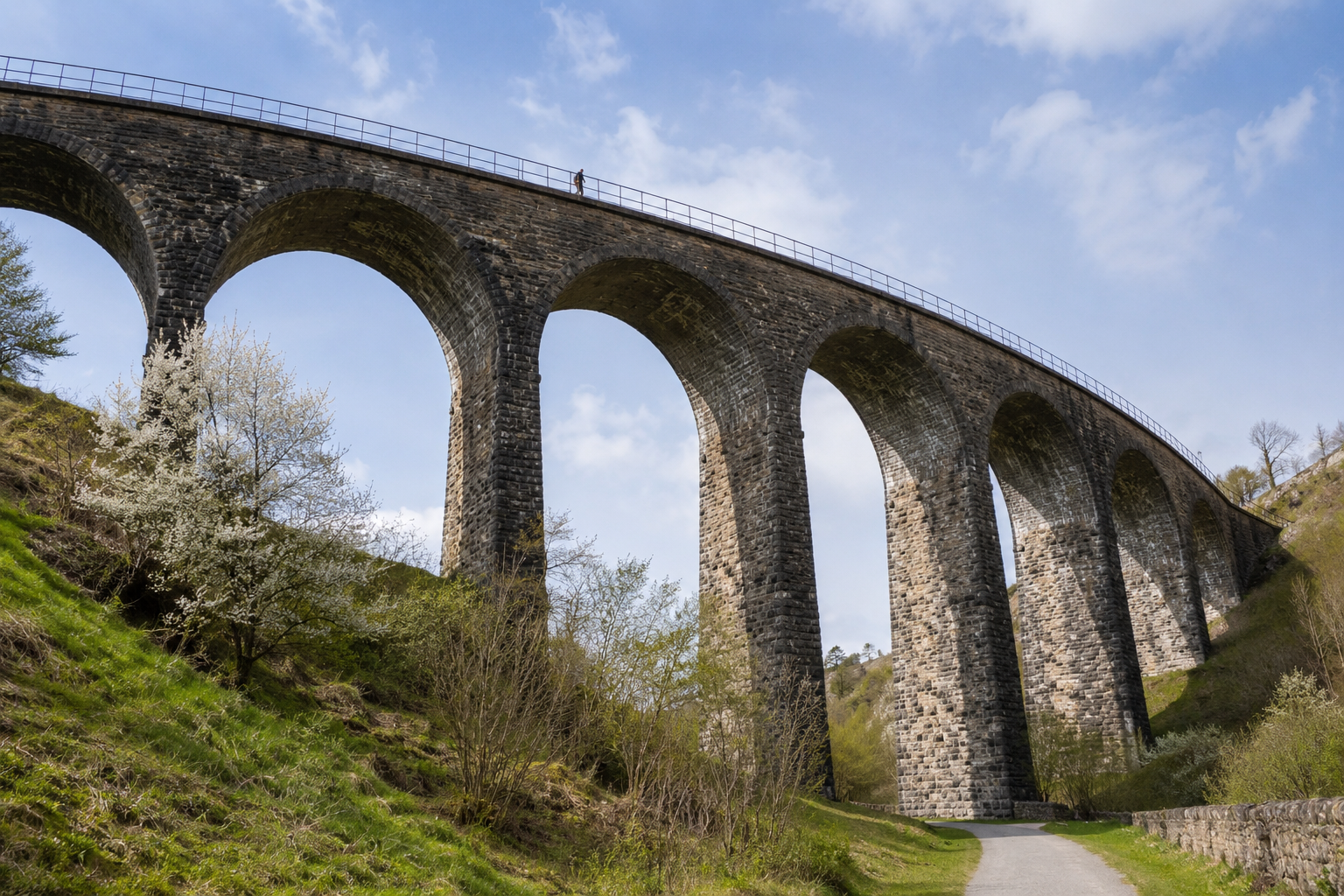
Children in a Peak District holiday cottage spend a lot of time outside, but only if outside is easy. A garden directly off the kitchen will get used hourly. A garden behind a gate, down a path, past a parked car, will get used twice in the week. The same applies to a walk: a footpath that starts at the cottage door is a walk you do every day, while a walk that starts a five-minute drive away is a walk you do once.
This is the thing the listings tend to undersell. “Near walks” can mean anything from “the path begins at the gate” to “there are walks somewhere in the village”. If you have a family, you want the gate version.
Heating, Practically
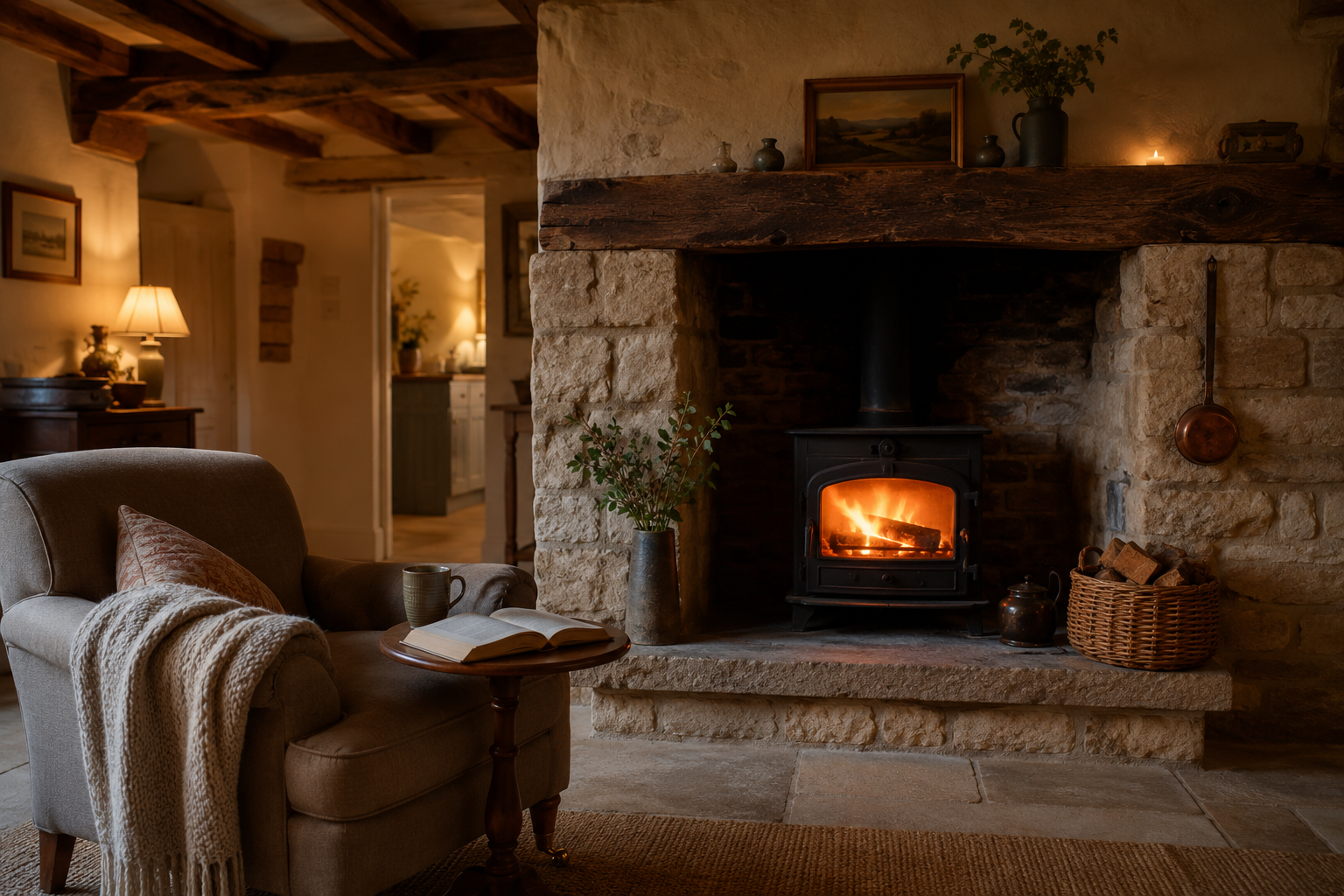
October half-term in the Peaks is cold by the second day. Easter is colder. February is colder still. The cottage that looks charming in the August listing photographs may be heated by a single woodburner and a hopeful electric panel in the bathroom. Ask. Look for radiators in the photographs. If the listing emphasises the woodburner without mentioning central heating, assume central heating is absent.
None of this is meant to discourage. A well-chosen Peak District cottage for a school-holiday week is one of the best holidays a family can have in the UK. The walks are short, the towns are friendly, the puddings are local, and the children sleep deeply after a day outside. You just want to choose the cottage with the questions, not the photographs.