The thing that separates a good holiday cottage from an expensive one is not the photographs. It is the kettle. Specifically, whether someone has bothered to put a kettle in the kitchen that boils water in under two minutes, or whether the owner has bought the cheapest one on offer and accepted that every guest will wait four and a half minutes for their first cup of tea.
The kettle is a small thing, but it is the first decision the cottage makes about you. Within ten minutes of arrival the kettle has told you whether the owner cares about the place or whether they are simply collecting the rent. Almost everything else follows from this.
The Knife Test
Open the second kitchen drawer. If there is a single sharp knife — one that you would happily use to chop an onion or carve a chicken — you are in a cottage owned by someone who has cooked dinner there themselves. If the only knives are blunt, mismatched and slightly bent, you are in a cottage that has been kitted out by someone who has never had to peel a potato in it.
This test is almost infallible. The knife says nothing about price or location, but it says everything about care. The owners who put a good knife in their cottage have usually also remembered the chopping board, the colander, the wooden spoons and the salt. The ones who didn’t will have forgotten all four.
Bedside Lights and Other Small Mercies
The other tell is bedside lighting. A holiday cottage with a single overhead bulb in the bedroom is a cottage that has not been slept in by the people who furnished it. A proper bedside light — one each, warm-coloured, with a switch you can reach without sitting up — is the difference between a cottage you read in and a cottage you scroll through your phone in.
The same logic applies to the bathroom. A decent towel rail, a small bin, a working shower with reasonable pressure and a mirror that isn’t fogged before you’ve finished cleaning your teeth. None of these things cost much. They are present or absent depending entirely on whether the owner has ever showered in their own cottage.
The Soft Things
Beyond the practical, there is what we might call the soft test. A holiday cottage that feels like home tends to have a small stack of books in the sitting room — not glossy coffee-table volumes about the Peaks, but the kind of books a person actually reads. A blanket on the sofa. A pair of houseplants that someone is clearly nipping back occasionally to water. A note on the kitchen counter, handwritten, telling you which bakery does the best loaf on a Saturday.
These things take a few hours to provide and they last for years. They cost almost nothing. They are the difference between a holiday-let and a home that someone is briefly letting you borrow. The owner who provides them is the owner you book with again.
The Quiet Test
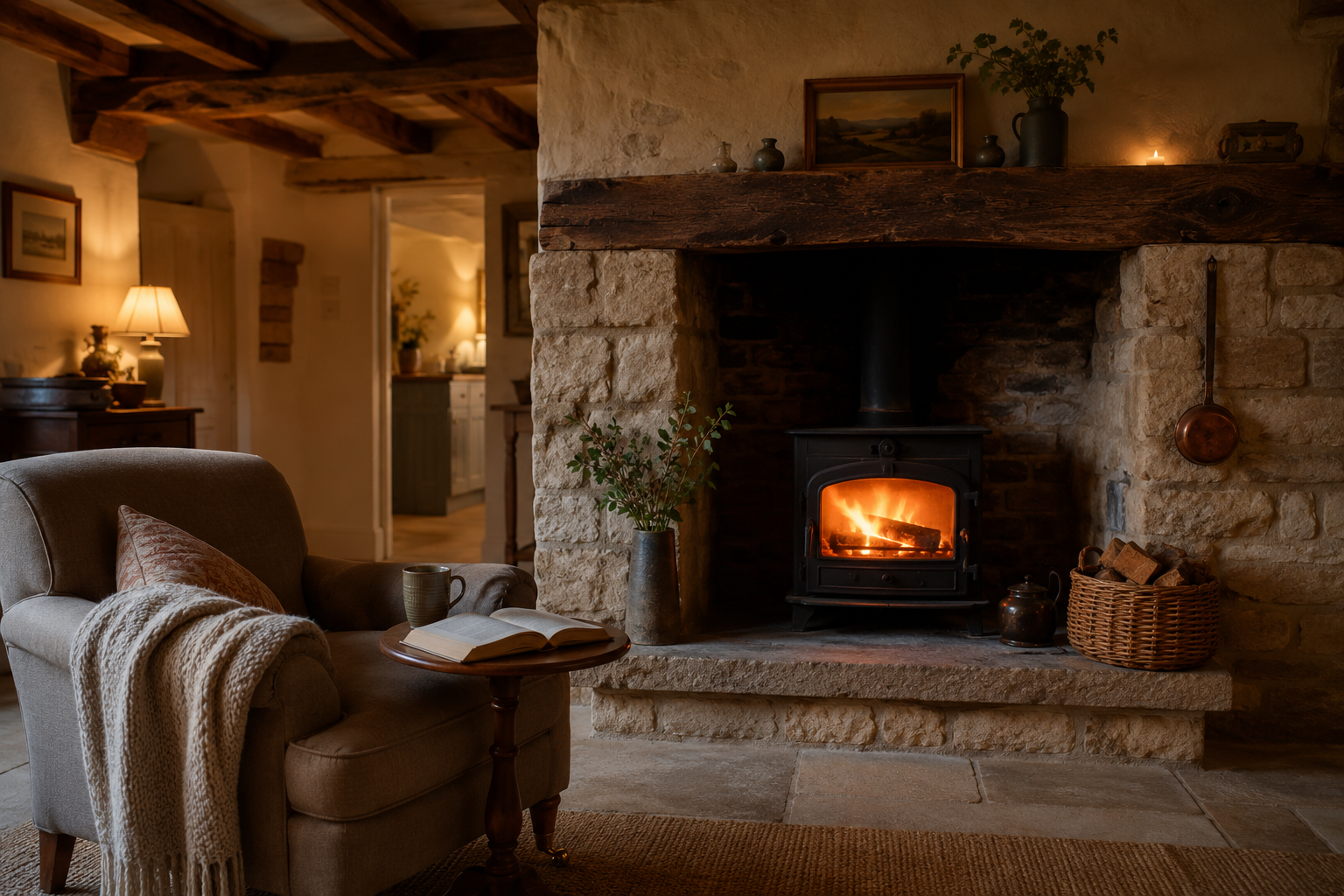
The last test, and possibly the most important, is silence. Can you hear the boiler? The fridge? The neighbours? A cottage that feels like home is one that, at ten o’clock at night, with the lamps lit and the woodburner ticking, sounds like nothing at all. That kind of quiet is hard to fake. It is one of the things you are really paying for.