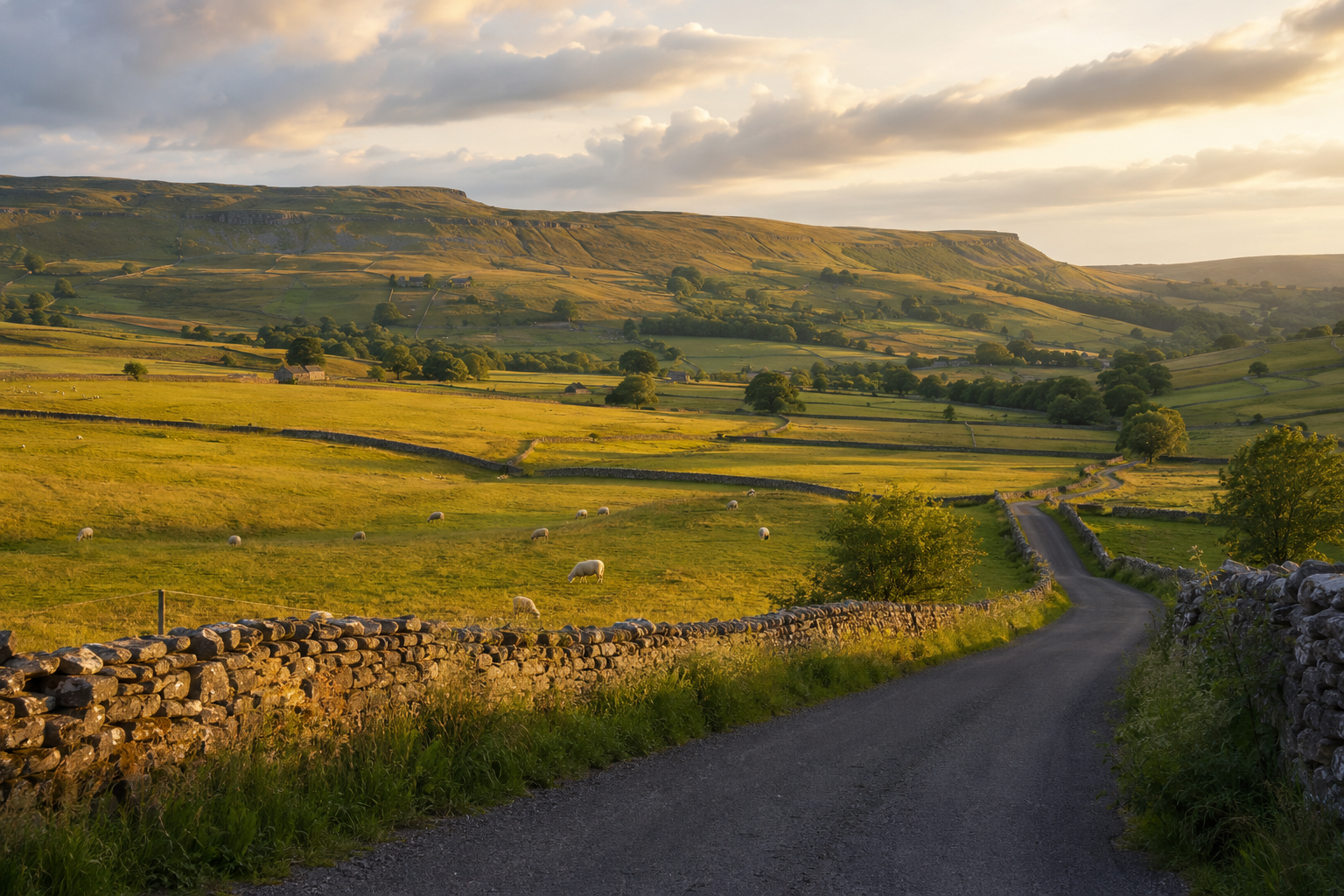
Half of what we are paying for in a holiday cottage is not the building. It is the absence of other people. A Peak District cottage in mid-August is competing with several thousand visitors for the same lanes, the same paths, the same parking spaces and the same pudding shops. A Peak District cottage in mid-November is competing with almost nobody at all.
This is the obvious mathematics of the off-season stay, and it is strange how few people commit to it. The same cottage that costs nine hundred pounds for a week in August costs four hundred and fifty in November. The walks are quieter. The pubs have tables. The light, on a good morning, is some of the most beautiful you will see in any UK month.
Why November in Particular
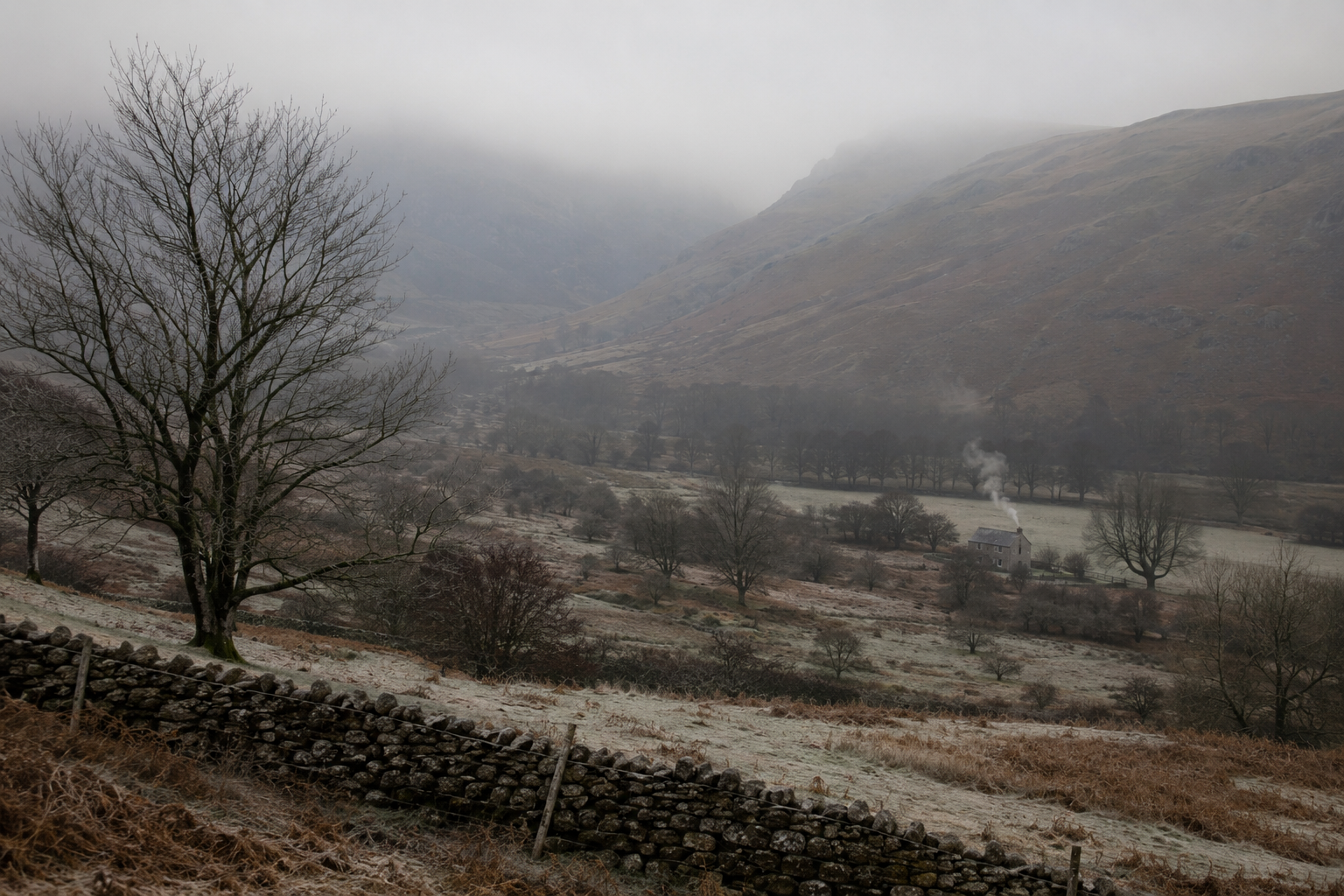
November is the proper off-season choice in the Peaks. October still has half-term in it and the colours bring photographers; December starts to fill up with Christmas markets and short breaks; January is genuinely cold and the cottages can be hard to heat. November sits in the middle — cool enough that everything is quiet, warm enough that you can still walk without thermals, and dark enough by five that an evening in front of the fire feels earned.
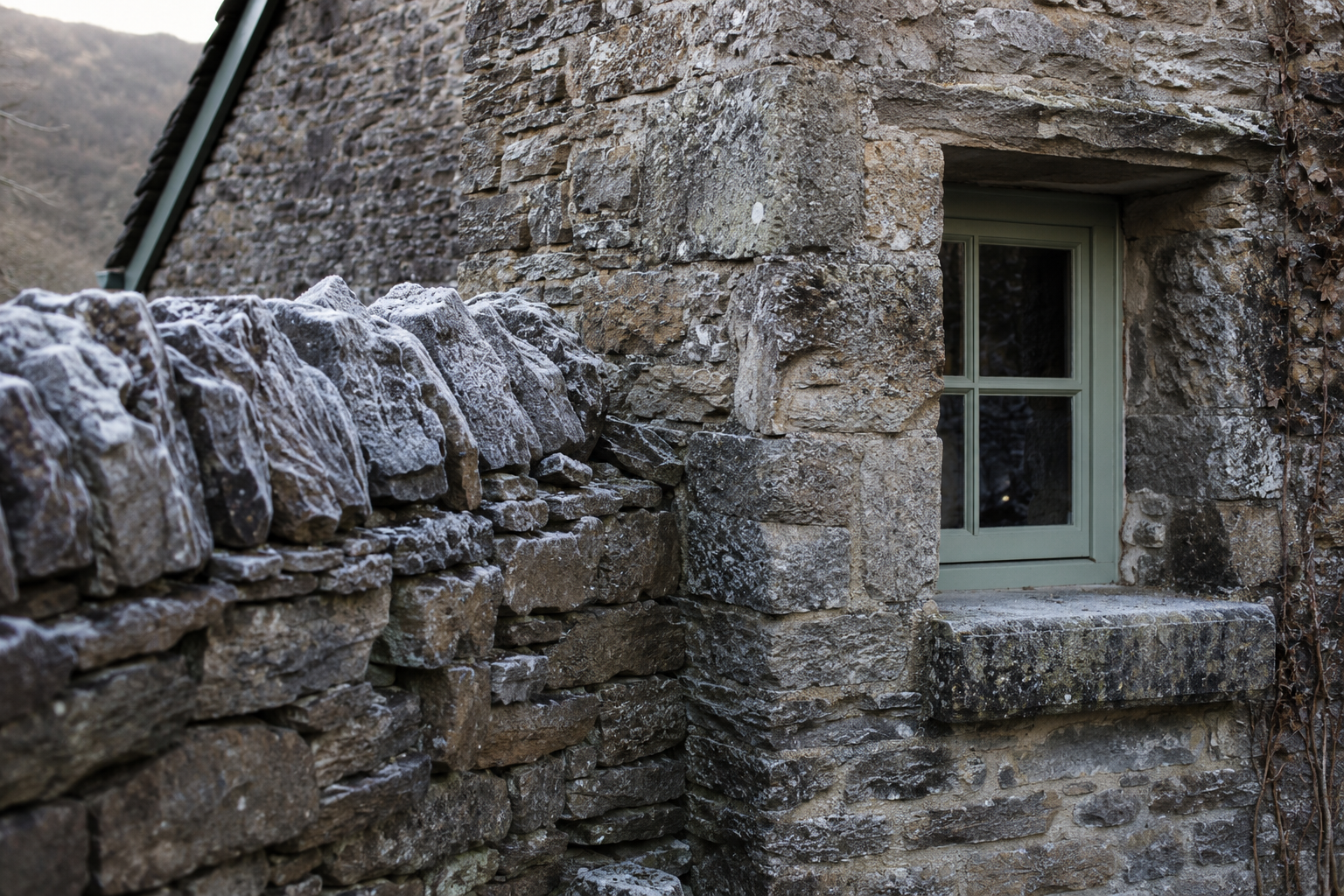
It is also the month when the cottages themselves are at their best. The owners have done the deep clean after the summer; the woodburners have been swept; the heating is on and tested. By February some of these things have drifted again. November is the month a Peak District holiday cottage is in its best shape.
The Walks Are Better
The standard Peak District walk in August involves stopping at every gate to let other walkers through. In November you can walk the same path and meet two people in three hours. Dovedale, in particular, becomes a different valley out of season — the stepping stones quieter, the kissing gates not creaking constantly, the riverside benches unoccupied.
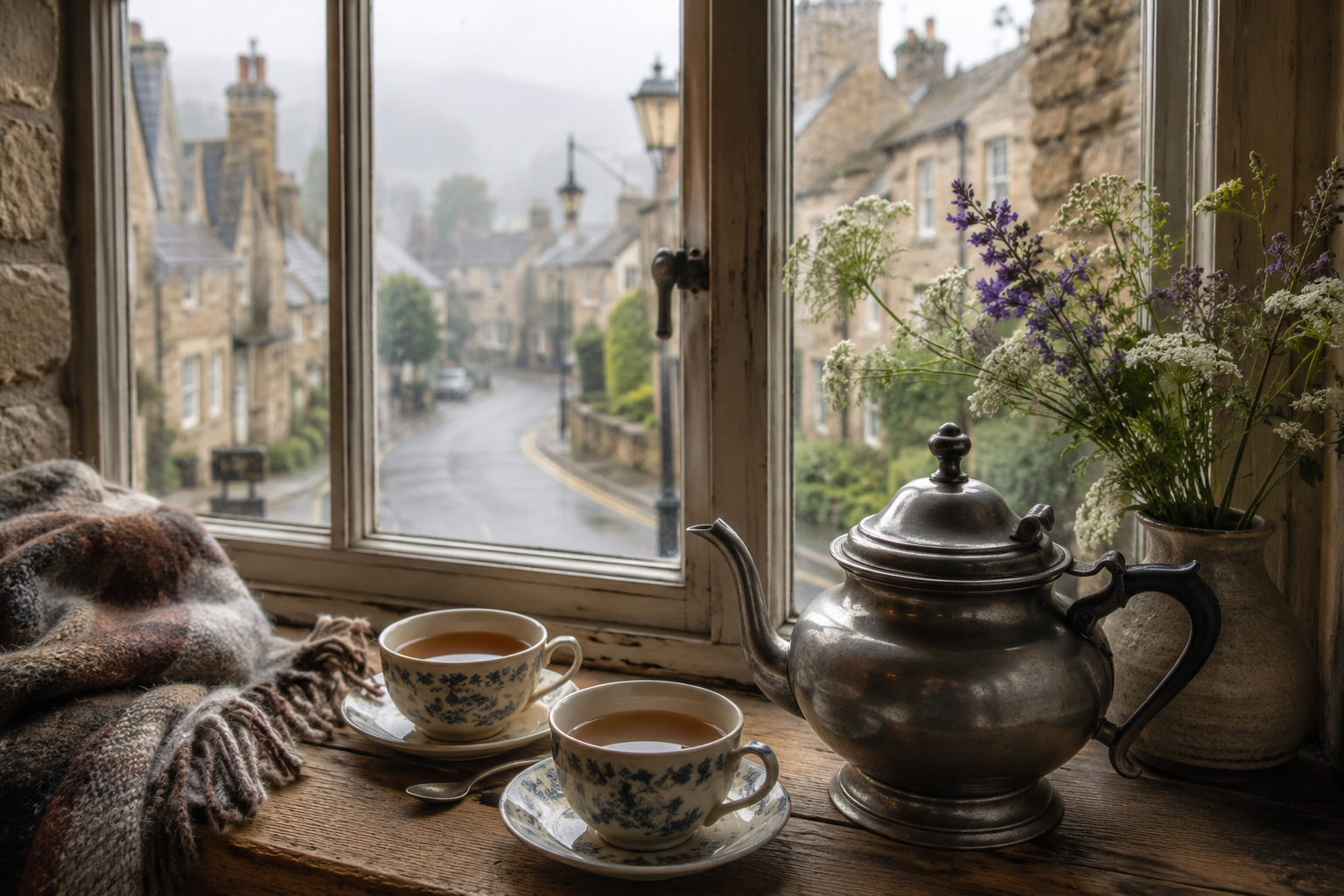
The weather is the trade. November rain in the Peaks is real rain, and a wet day in a cottage with no plan can feel long. The answer is to bring more books than you think you need, to walk on the dry days even if they are short, and to accept that one whole day of the week will be a sitting-in day. Many people, away from their phones and inboxes, discover they need this.
The Town Without the Coaches
Bakewell on a Tuesday in November is a Bakewell that almost nobody photographs. The square is open. The bakery has time to chat. You can sit on a bench by the river for an hour and watch a heron without anyone asking you to move along. The town is busy with its own life rather than the rotation of weekenders, and the experience is correspondingly more honest.
The cafes are still open. The pubs are still on. The bookshop, the cheese shop, the butcher are all there. The only thing missing is the queue.
The Long Evening
Perhaps the best argument for the off-season stay is the long evening. By half past four it is properly dark. The lamps go on. The woodburner is lit. Dinner is cooked early because there is nothing else to do, and the whole second half of the day becomes one slow indoor evening: a meal, a glass, a book, a walk to the back door to look at the stars, another half hour by the fire.
You do not get this evening in August. The summer light keeps everyone outdoors until ten. The November evening is the cottage at its most cottage-like, and you have come for the cottage as much as the country.