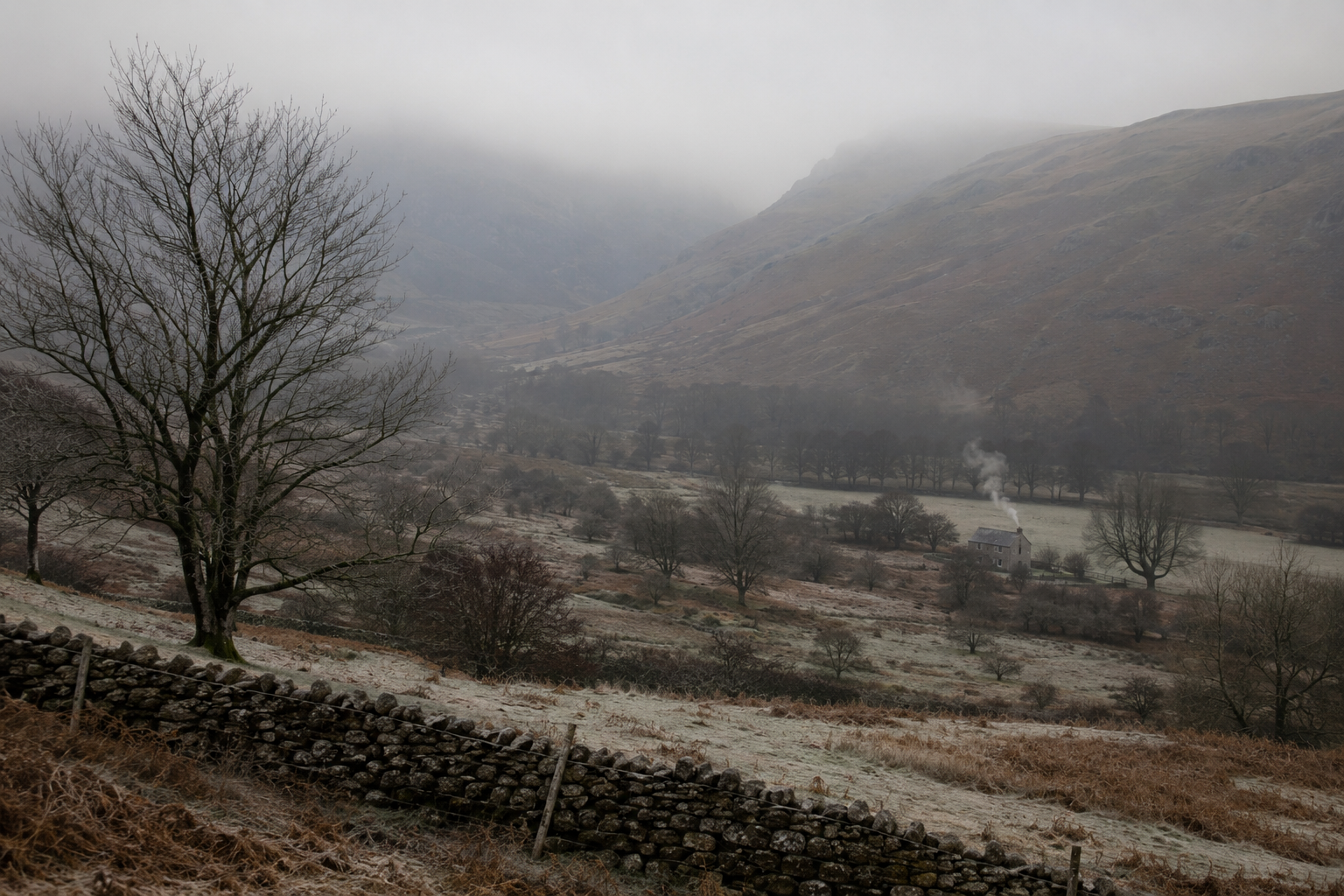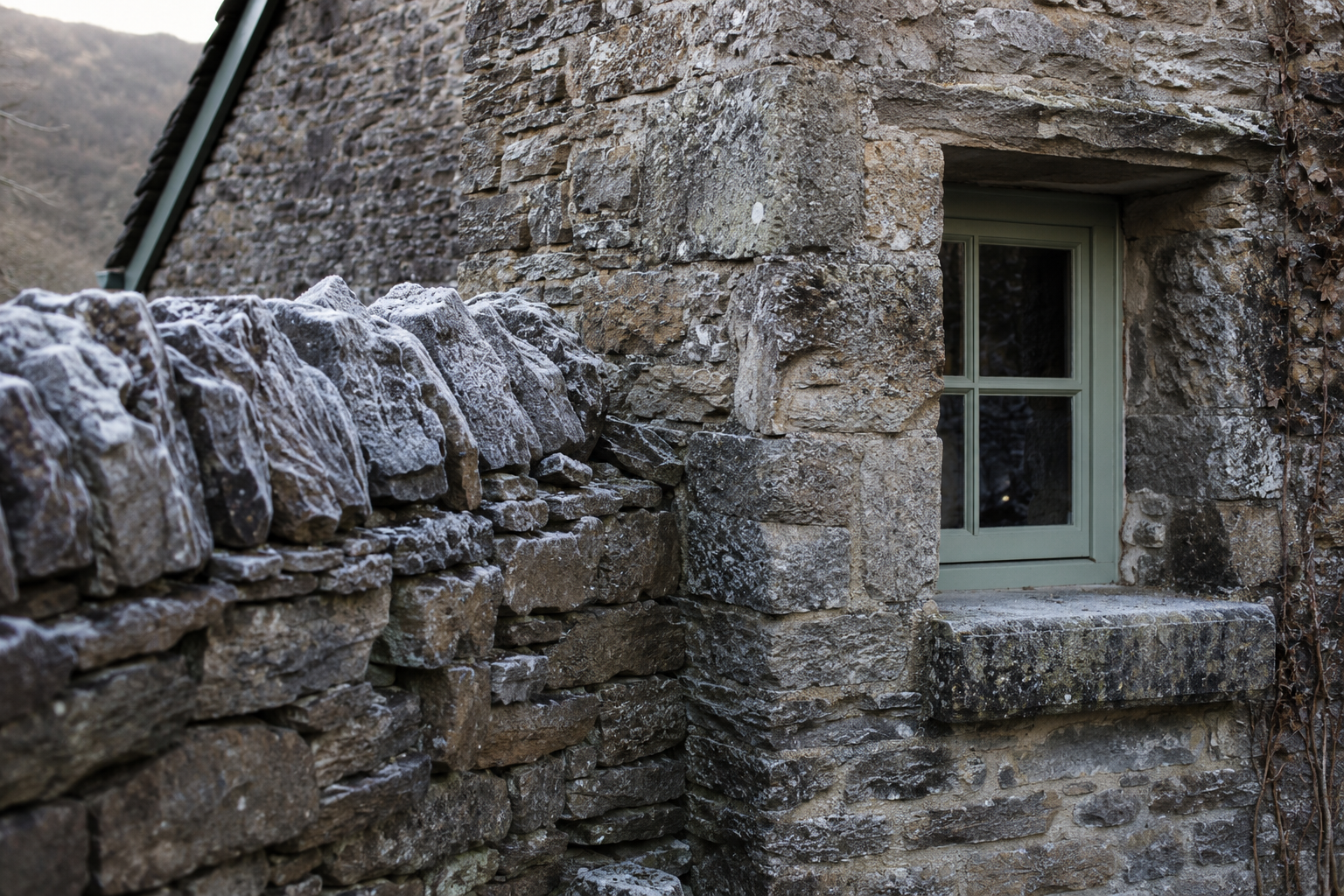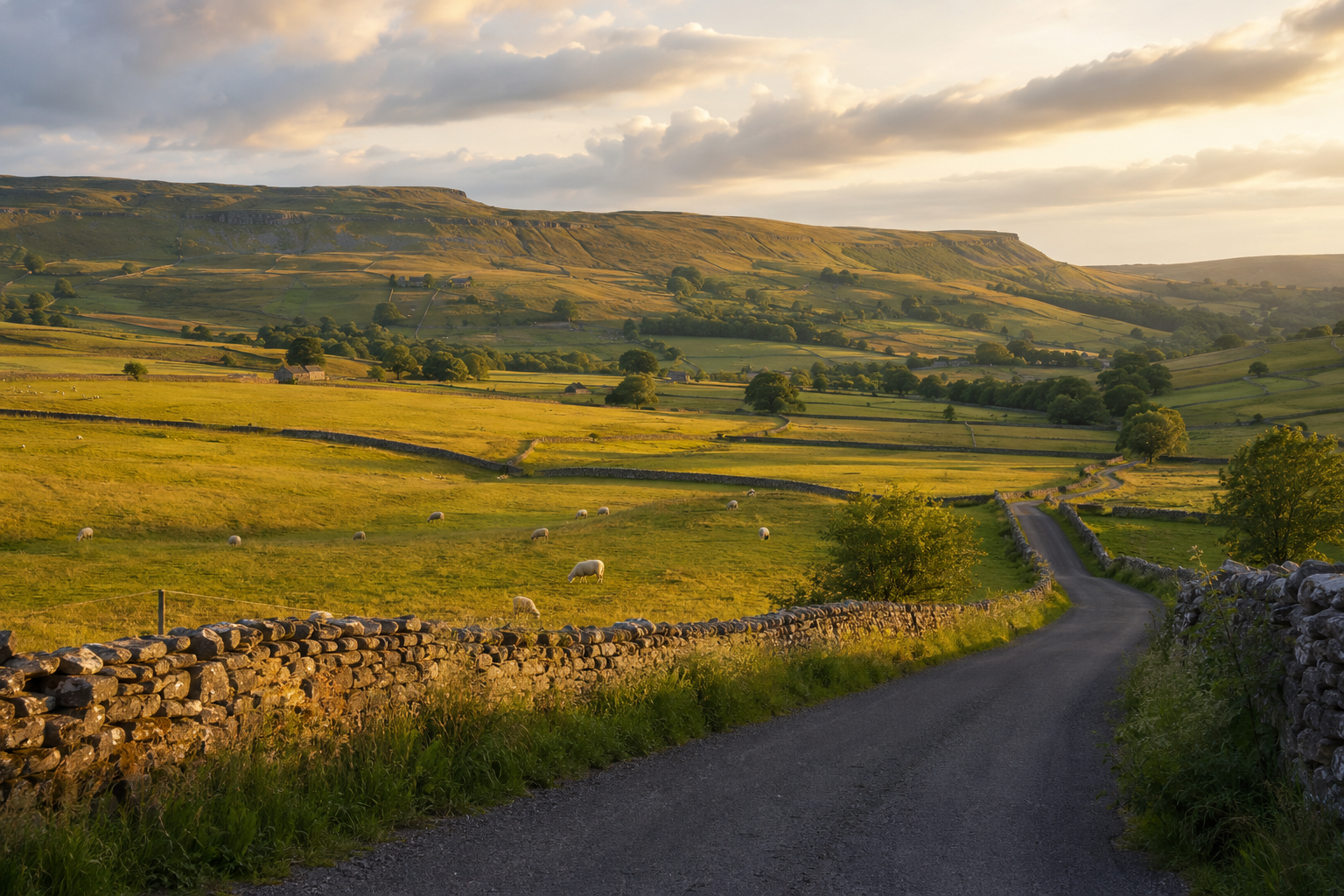
The first thing you learn, running a small Derbyshire holiday cottage, is that the year has a shape that has very little to do with the calendar. The peaks of the year are not where the brochures put them. Easter is busy. August is busy. October half-term is busy. The rest of it has its own irregular rhythm of high and low weeks, and within a couple of years you have learned to read it.
We took the cottage on five years ago, with no real plan beyond renting it out enough months of the year to cover the standing costs. The cottage took over from there. It told us when to be ready, when to relax, when to repaint and when to leave well alone. Most of what follows is what it told us.
The Spring Surge
The first real surge of the year is the week before Easter. By that point the cottage has been more or less empty since New Year, and the spring bookings — mostly families with school-age children — arrive all in the same fortnight. You have one Saturday changeover, you breathe, you have another Saturday changeover. The garden needs cutting. The window boxes need replanting. The kitchen towels need refreshing.
By the start of May the surge has eased and the cottage settles into a steady pattern of long weekenders and couples on retreat. These are the easy guests. They book a week, they ask for nothing, they leave the cottage tidier than they found it. You do nothing for two months except handover and laundry.
The Summer Mystery
Summer is when you discover what kind of cottage you have. Some years the August bookings are heavy and the cottage is full from the first weekend of the school holidays to the last. Some years it is patchy — a fortnight booked early, a strange gap in the middle, a last-minute family in for the last week. You stop trying to predict it.
What is consistent is the guests. Summer brings families. Families bring more towels in the wash. They also bring small breakages, which are inevitable and not worth worrying about. The kettle that goes missing one year and the wine glass that does not survive a long lunch are the costs of a cottage being properly lived in. The owners who get angry about this are the ones who should not be doing it.
The Long Autumn
September into October is the kindest stretch of the year. The cottages are busy enough to keep ticking over, but the guests are mostly retired couples, walking groups and people writing books. They stay for ten days at a time. They are quiet. The cottage feels properly lived in rather than passed through.
This is also the time of year when you do the small jobs. The boiler service. The chimney sweep. The repaint of a tired wall. The replacement of the bedside lights that you have been meaning to swap out since spring. You do these things on the Friday between changeovers, and by the time half-term arrives the cottage is in its best shape of the year.
The Winter Quiet
November and February are the cottage’s quiet months. There are weeks of total emptiness and the occasional surprise — a long weekend for a birthday, a writer’s retreat, a couple who book at three days’ notice because it is raining where they live. December has Christmas, which is its own small surge, and then January is dead again.
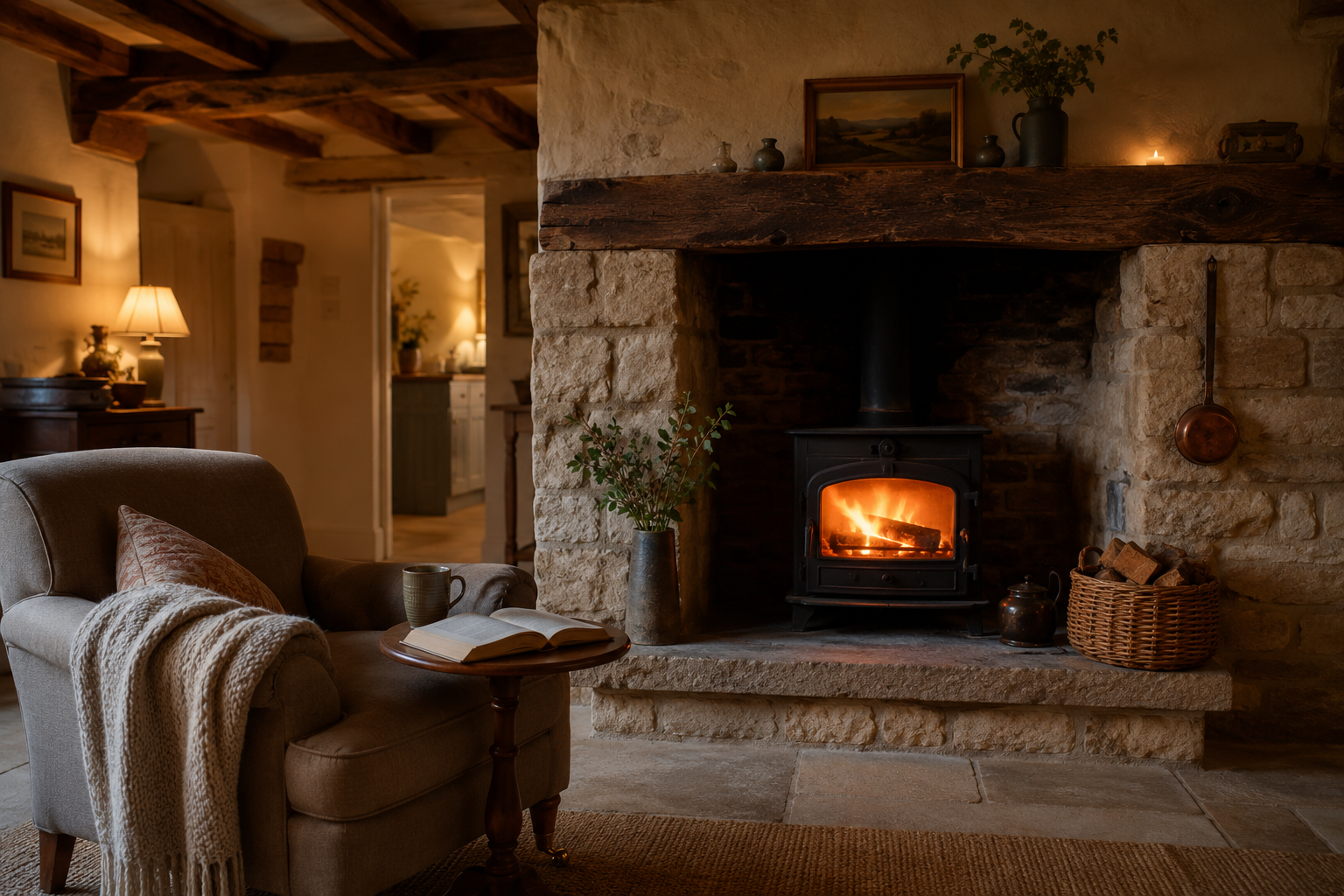
This is when, as an owner, you spend time in the cottage yourself. You light the woodburner. You sit in your own sitting room with a book and think about the year. You make a list of what to change next spring. You don’t change much. After five years the cottage knows what it is, and the small interventions are the ones that count. A new mug. A different cushion. A better kettle, eventually. The slow shape of running a small Derbyshire let, year after year.